
How billiard table repair, maintenance and restoration are planned
A comprehensive guide to diagnosing cushions, pockets, frame, legs, bed, cloth and wood finishes in the correct order.
Last updated: 2026-07-26
Diagnose the cause, not the symptom
Slow roll is not always caused by cloth and weak rebound is not always the cushion. Humidity, loose frame, wrong cushion height, pocket hardware, bed joints and dirt can interact.
Mechanical repair
Leg joints, levellers, frame welds, bolt seats and bed supports are inspected under load. Looseness can shift level over time; random reinforcement may worsen load distribution.
Renewing playing components
Cushion rubber, cloth, pockets and markers must match the discipline. Pool, carom and snooker use different profiles, pocket geometry and cloth characteristics.
Restore or replace?
Restoration can be economical when the frame, bed and body are structurally sound. Widespread decay, severe frame deformation, missing bed pieces or incompatible dimensions may make replacement more sensible.
Manufacturer note
Every room, table and service requirement is different. Final dimensions, materials, prices and application decisions should be based on verified technical information or a site survey.
Frequently asked questions
Which billiard table faults can be repaired on site?
Levelling, cloth, cushions, pockets, fittings and some wood issues can often be handled on site. Frame correction or major refinishing may require workshop work.
Can a service price be finalised from photos alone?
Photos support a preliminary assessment; final scope depends on table size, model, bed, address, floor, access and issues found on site.
Related guides
 Service & Care
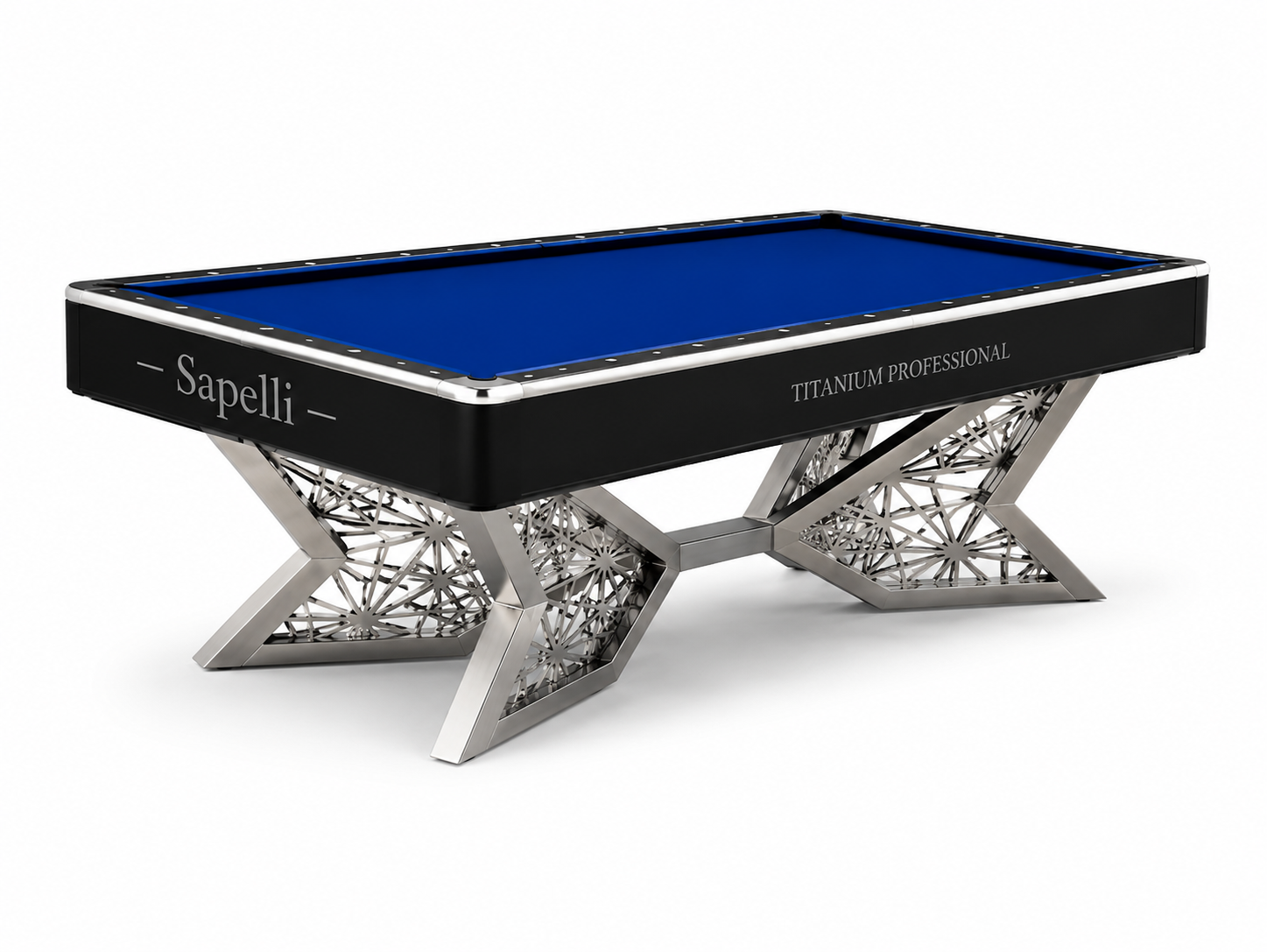
Billiard cloth replacement and recovering guide
Learn when cloth should be replaced, how correct stretching works, why cushions are checked and how to prepare for service.
 Technical Service
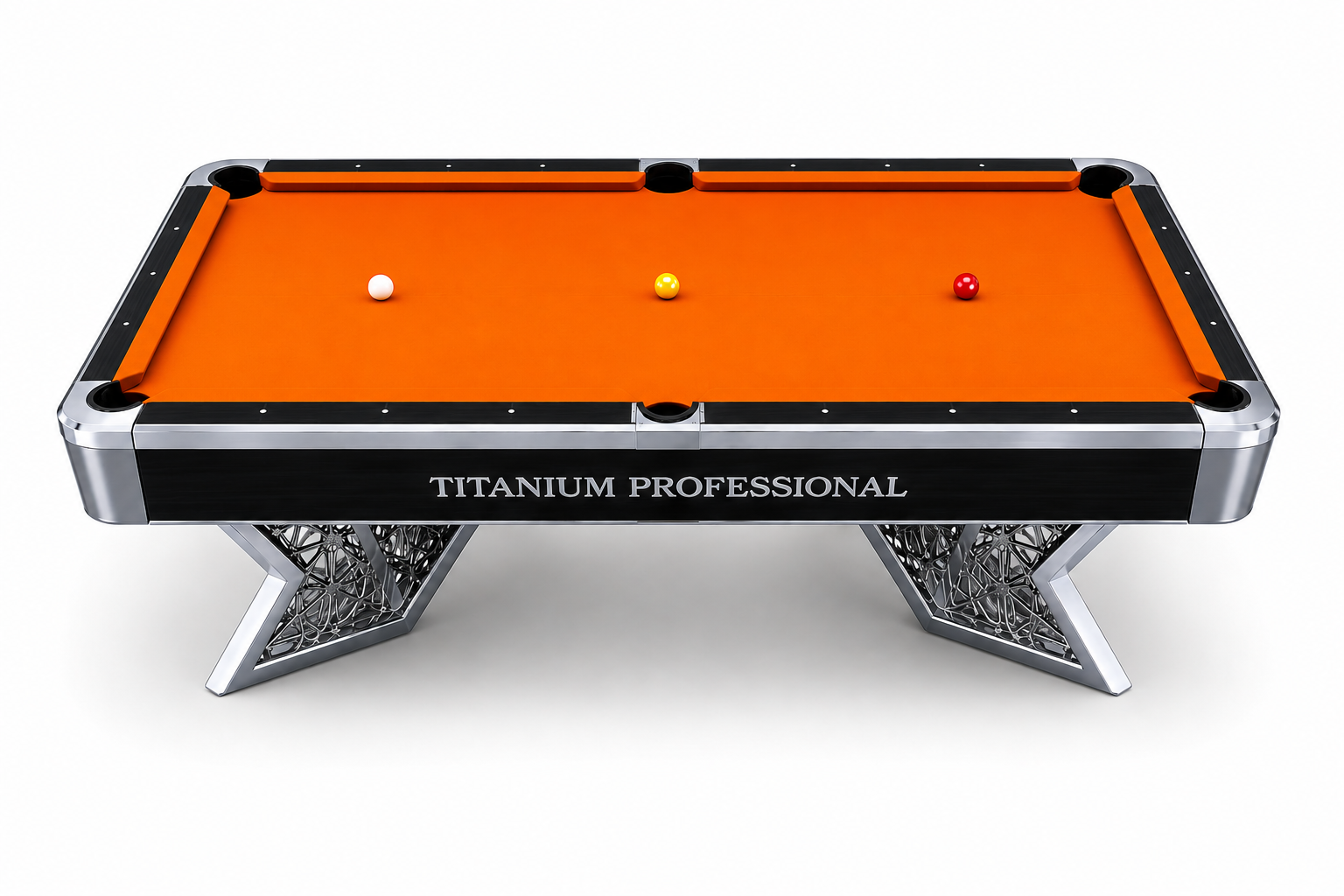
How to level a billiard table: precision guide
Learn correct levelling through the frame, leg levellers, bed joints and playing surface, and understand the effects of poor adjustment.
 Used & Trade-in
Used billiard table buying, selling, inspection and trade-in guide
Estimate the real value of a used table by assessing frame, bed, cushions, cloth, missing parts, moving and restoration costs.